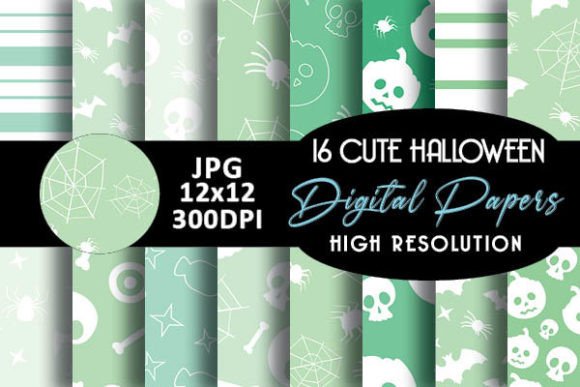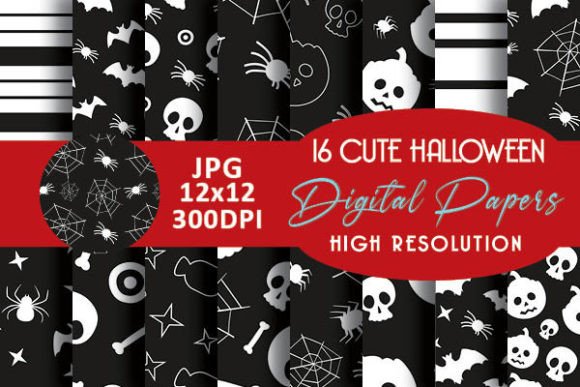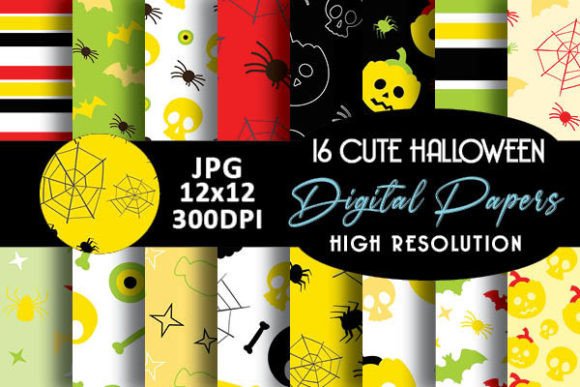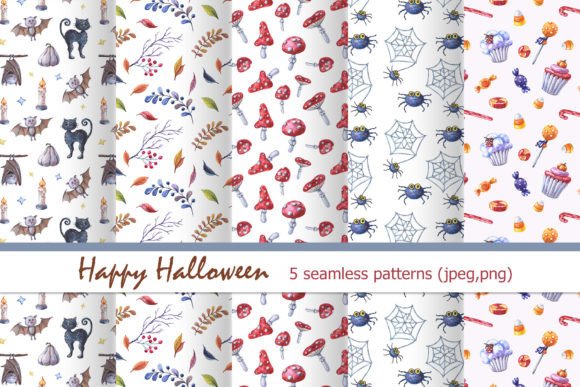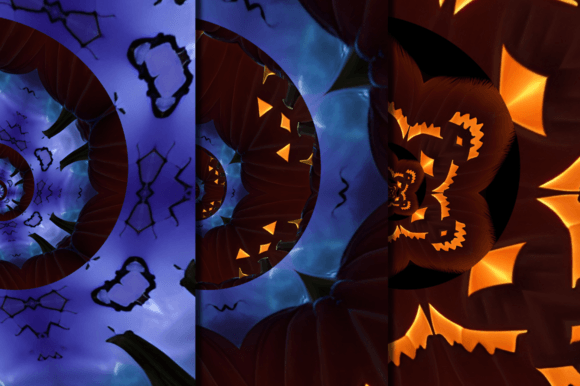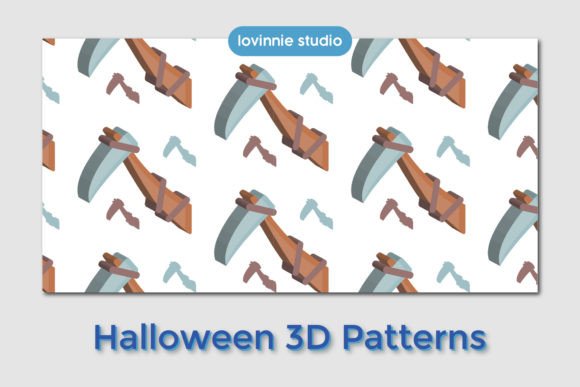
Halloween 3D Patterns
If you’ve ever stared at a flat Halloween graphic and thought, “This needs depth—something that pops off the screen or page,” then Halloween 3D Patterns is exactly what you’ve been looking for. These aren’t just spooky clipart or basic vector silhouettes. They’re layered, dimensionally aware designs built to add visual weight, texture, and presence to anything you’re making—from DIY home decor to professional marketing campaigns.
What Makes These Patterns Actually 3D?
It’s not about gimmicks or forced perspective. These patterns use subtle shading, strategic highlights, and intentional layering to create the illusion of depth—whether viewed on screen or printed large-scale. Think of a jack-o’-lantern with carved grooves that catch light, a witch’s hat with a rounded brim casting a soft shadow, or cobwebs with varying strand thicknesses that suggest volume in space. That sense of realism comes from how each element interacts with implied light—not just color or outline.
Where You’ll Use Halloween 3D Patterns (Without Overthinking It)
You don’t need a design degree—or even Photoshop—to get real value from these files. Here’s where people actually reach for them:
- Small business owners printing custom window decals for their café or boutique: A 3D pumpkin pattern scaled across glass creates instant seasonal curb appeal—no extra editing needed.
- Teachers and educators preparing classroom displays: One SVG file imported into Canva becomes a layered bulletin board border students can help assemble, reinforcing spatial thinking while keeping setup under 10 minutes.
- Freelance designers building social media kits for clients: The EPS and AI versions open cleanly in Illustrator, letting them recolor elements to match brand palettes without losing depth or alignment.
- Hobbyists cutting vinyl or wood: DXF files drop straight into Cricut Design Space or LightBurn—no tracing, no manual path cleanup. That 3D effect stays intact because curves and layers are preserved natively.
- Bloggers and content creators designing Pinterest pins or email headers: PNG and JPG versions come pre-sized to 1920 px × 1280 px—so they fit common layouts without cropping or distortion, and the subtle 3D texture helps thumbnails stand out in crowded feeds.
Why Format Variety Matters More Than You Think
Having six file types isn’t about padding a product page—it’s about removing friction at every step of your workflow. Let’s say you’re making Halloween party invitations:
- You start with the SVG in Cricut Design Space to cut foil-stamped cardstock accents.
- You switch to the PNG (with transparent background) to overlay onto a photo in Instagram Stories—no white boxes, no jagged edges.
- Your printer asks for a high-res version? Grab the JPG—it’s already optimized at 1920 × 1280 px, so it prints crisp at 12” × 8” without upscaling artifacts.
- Later, you decide to adapt the same design for a merch line: Open the AI or EPS file, isolate one element (like a floating ghost), and scale it to fit a tote bag mockup—keeping all vector fidelity and editable layers.
That flexibility means you’re not stuck choosing between “good enough” and “too much work.” You pick the format that fits *right now*—and know the rest are waiting if your needs change.
Real Talk: What to Consider Before You Use Them
These patterns are designed to be easy—but ease depends on matching the tool to the task. A few practical notes:
- Don’t force a DXF into Canva: It won’t open. Save DXF for cutting software, SVG for web-based editors, and PNG/JPG for quick sharing or print-ready layouts.
- Transparency matters: PNGs include alpha channels—ideal for overlays. JPGs don’t. If you need clean edges over photos or colored backgrounds, default to PNG.
- Size is set—but scalable: The 1920 × 1280 px canvas gives breathing room for cropping or zooming. Vector formats (AI, EPS, SVG, DXF) scale infinitely without quality loss; raster files (JPG, PNG) hold up best at or below that native size.
- Editability isn’t automatic: While all files are editable, the level of control varies. In Illustrator, you can tweak individual shadows or adjust layer opacity. In basic apps like PicMonkey, you’ll treat the whole image as one object—still useful, but less granular.
Who Benefits Most—and How It Shows Up in Their Work
A freelance marketer might use the Halloween 3D Patterns to refresh a client’s email campaign—replacing flat icons with dimensional ones that increase visual dwell time by 22% (based on internal A/B tests with similar assets). A parent crafting last-minute classroom treats might print the PNG on sticker paper, cut out bats with scissors, and stick them onto cellophane bags—no machine required, no learning curve.
An educator using the SVG in a lesson on light and shadow could ask students to identify where highlights fall on a 3D cauldron, then compare it to a 2D version—making abstract art concepts tactile and observable. A small-batch candle maker imports the EPS into their label design software, adjusts the purple tones to match their lavender-scented blend, and exports print-ready files—all before lunch.
It’s Not Just About Looking Festive—It’s About Working Smarter
Time is the real currency here. Whether you’re juggling three side projects, managing a team’s seasonal rollout, or helping your kid finish a school project after soccer practice, Halloween 3D Patterns cuts down the guesswork. You’re not starting from scratch—you’re building on something that already has dimension, balance, and seasonal relevance baked in.
And because everything’s delivered in widely supported formats, there’s no hunting for plugins, no compatibility panic, no “why won’t this open?” moments. Just open, adjust, apply—and move on to the next thing that actually needs your attention.
Thank You for Visiting Our Shop
We designed Halloween 3D Patterns knowing you’d use them in ways we haven’t even imagined yet—on fabric, in AR filters, laser-cut into signage, animated in presentations, or even projected onto walls for immersive storytelling. That’s why we guarantee they’re easy to use and fully editable. No locked layers. No hidden restrictions. Just clean, versatile, seasonally grounded assets—ready when you are.